When Little Minds Race: Helping Preschoolers Find Their Calm
A guide for parents and educators from Vygotsky School of Play
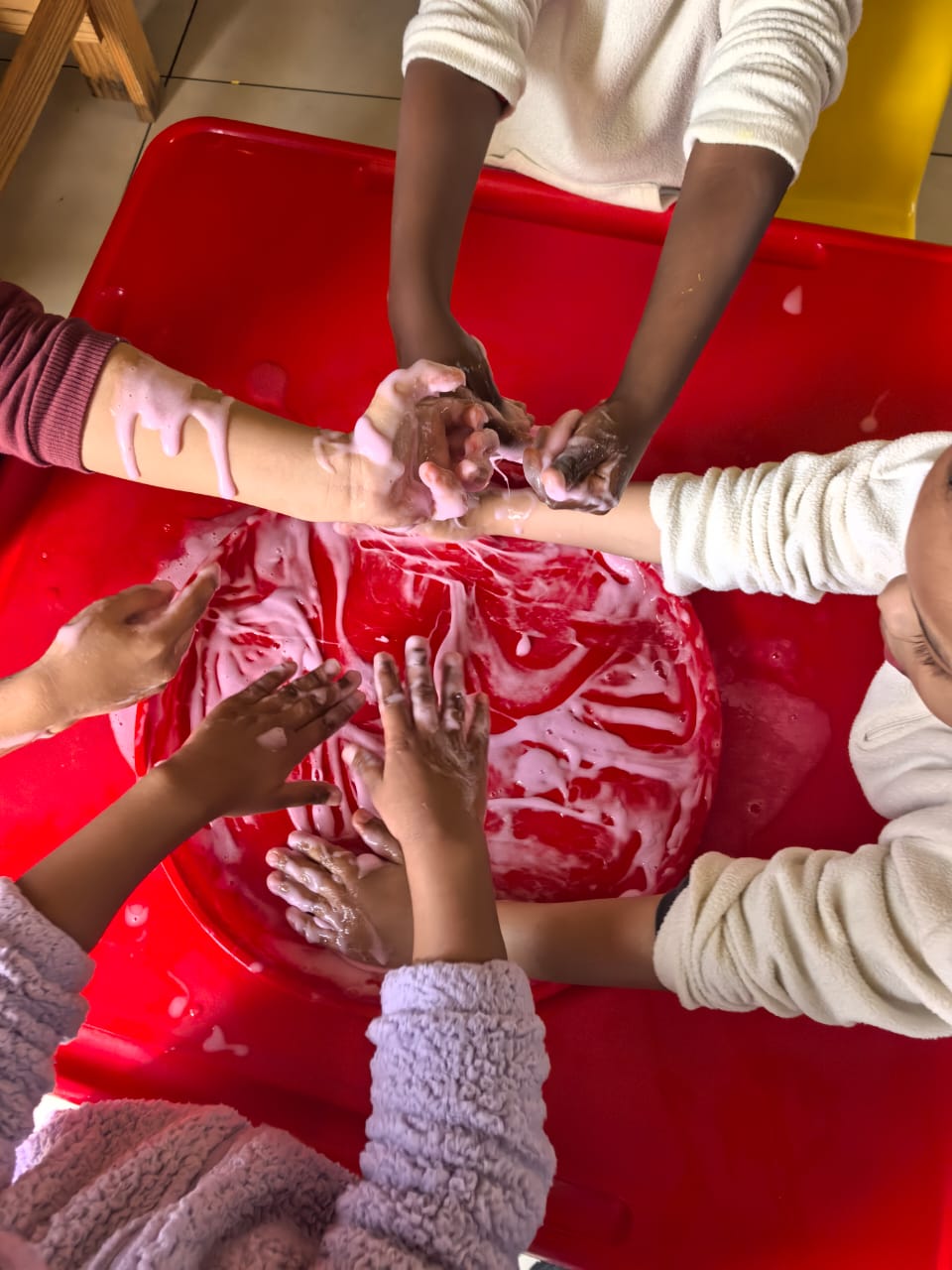
At Vygotsky School of Play, we understand that a child's ability to self-regulate and focus doesn't develop overnight. Just like Vygotsky emphasized the importance of social interaction in learning, we know that children learn to calm themselves through gentle guidance, practice, and the support of caring adults.
Understanding the "High-Speed" Brain
When we say a child's brain is "running on high speed," we're often seeing signs of:
- Difficulty sitting still or staying in one place
- Quick movements from one activity to another
- Trouble listening to instructions
- Restlessness or fidgeting
- Overwhelming energy that seems hard to contain
This isn't defiance or misbehavior—it's a developing nervous system that hasn't yet learned how to regulate itself. Our job is to be their external regulator until they can develop internal regulation skills.
The CALM Approach: Our Framework for Success
We've developed the CALM approach to help children transition from high energy to focused attention:
C - Create a Safe Space
Before any calming can happen, children need to feel safe and understood. This means:
- Acknowledging their feelings: "I see you have lots of energy right now"
- Providing a consistent, quiet space they can go to
- Using a gentle, steady voice
- Avoiding overwhelming them with too many instructions at once
A - Activate the Senses
Sensory strategies can help reset an overactive nervous system:
- Deep breathing exercises: Teach "flower breathing" (smell the flower, blow out the candle) or "pizza breathing" (smell the pizza, cool it down)
- Heavy work activities: Wall pushes, carrying books, or gentle stretching
- Tactile tools: Stress balls, fidget toys, or textured fabrics
- Visual cues: Calm-down posters, breathing buddies, or simple visual schedules
L - Lead with Connection
Remember Vygotsky's zone of proximal development—children learn best with supportive guidance:
- Sit near the child and breathe deeply yourself
- Model the calm behavior you want to see
- Use co-regulation: "Let's take three deep breaths together"
- Offer choices: "Would you like to use the breathing ball or do wall pushes?"
M - Make it Routine
Consistency helps children internalize these skills:
- Practice calming strategies when children are already calm
- Build "calm-down time" into your daily schedule
- Create visual reminders and cues
- Celebrate small victories in self-regulation
Practical Strategies for the Classroom
The Calm-Down Corner
Set up a special area with:
- Soft pillows or bean bag chair
- Breathing visual aids
- Sensory bottles or calm-down jars
- A timer for "quiet time"
- Books about emotions and feelings
Movement Breaks
Build regular movement into your day:
- "Animal walks" between activities (bear crawls, frog jumps)
- Stretching routines with fun names
- Dance and freeze games
- Yoga poses designed for preschoolers
Breathing Buddies
Give each child a small stuffed animal they can place on their belly while lying down, watching it rise and fall with their breathing. This makes breathing exercises concrete and engaging for young children.
The "Feelings Check-In"
Start activities by having children identify their energy level using simple visuals:
- Red light = High energy, need to slow down
- Yellow light = Medium energy, getting ready
- Green light = Calm and ready to focus
Supporting Parents at Home
Share these simple strategies with families:
Before School Routine:
- Create a consistent morning routine that includes calming activities
- Allow extra time so mornings aren't rushed
- Include protein-rich breakfast foods that provide steady energy
- Practice deep breathing or gentle stretches together
After School Transition:
- Plan for a decompression period when children come home
- Offer sensory play like playdough or water activities
- Create a quiet space for children to unwind
- Limit screen time before focused activities
When to Seek Additional Support
While most preschoolers will benefit from these strategies, some children may need additional support. Consider consulting with professionals if a child:
- Shows extreme difficulty calming down despite consistent strategies
- Has frequent meltdowns that last longer than expected for their age
- Seems unable to engage in any focused activities
- Shows signs of anxiety or distress that interfere with daily activities
Remember: Progress, Not Perfection
Developing self-regulation is a process that takes time, patience, and lots of practice. Some days will be better than others, and that's completely normal. What matters is that we're giving children the tools they need to understand their bodies and emotions.
As Vygotsky taught us, children learn through social interaction and guidance from more knowledgeable others. By being patient, consistent, and supportive, we're helping them develop skills they'll use throughout their lives.
Building a Community of Calm
At Vygotsky School of Play, we believe that creating calm, focused learners is a team effort between teachers, families, and children themselves. When we all work together using consistent strategies, we create an environment where every child can thrive.
Remember: every child is unique, and what works for one may not work for another. Stay flexible, observe carefully, and celebrate the small steps forward. With time and support, even the most energetic little learners can develop the skills they need to find their calm and focus on the joy of learning.
About the Author

Nadine Nelson is the passionate founder of Vygotsky School of Play and Vygotsky School of Diverse Minds, where learning through play is at the heart of everything. With over 15 years of experience in Early Childhood Development (ECD), Nadine believes that children learn best through hands-on, real-life experiences that nurture the whole child — socially, emotionally, cognitively, and physically.
Drawing inspiration from theorists like Vygotsky, Erikson, and Bandura, she creates learning environments where play, creativity, and connection come together to help each child reach their full potential.
Through her blog, Nadine shares practical tips, sensory play ideas, classroom inspiration, and parent guidance to help educators and families support children's growth in meaningful, playful ways.
When she's not in the classroom, you'll find her spending time with her husband and three daughters, dreaming up new ways to make learning fun for every child.