Screen Time and Children's Attention: What I've Observed in the Preschool Classroom
Understanding the impact of digital devices on young learners
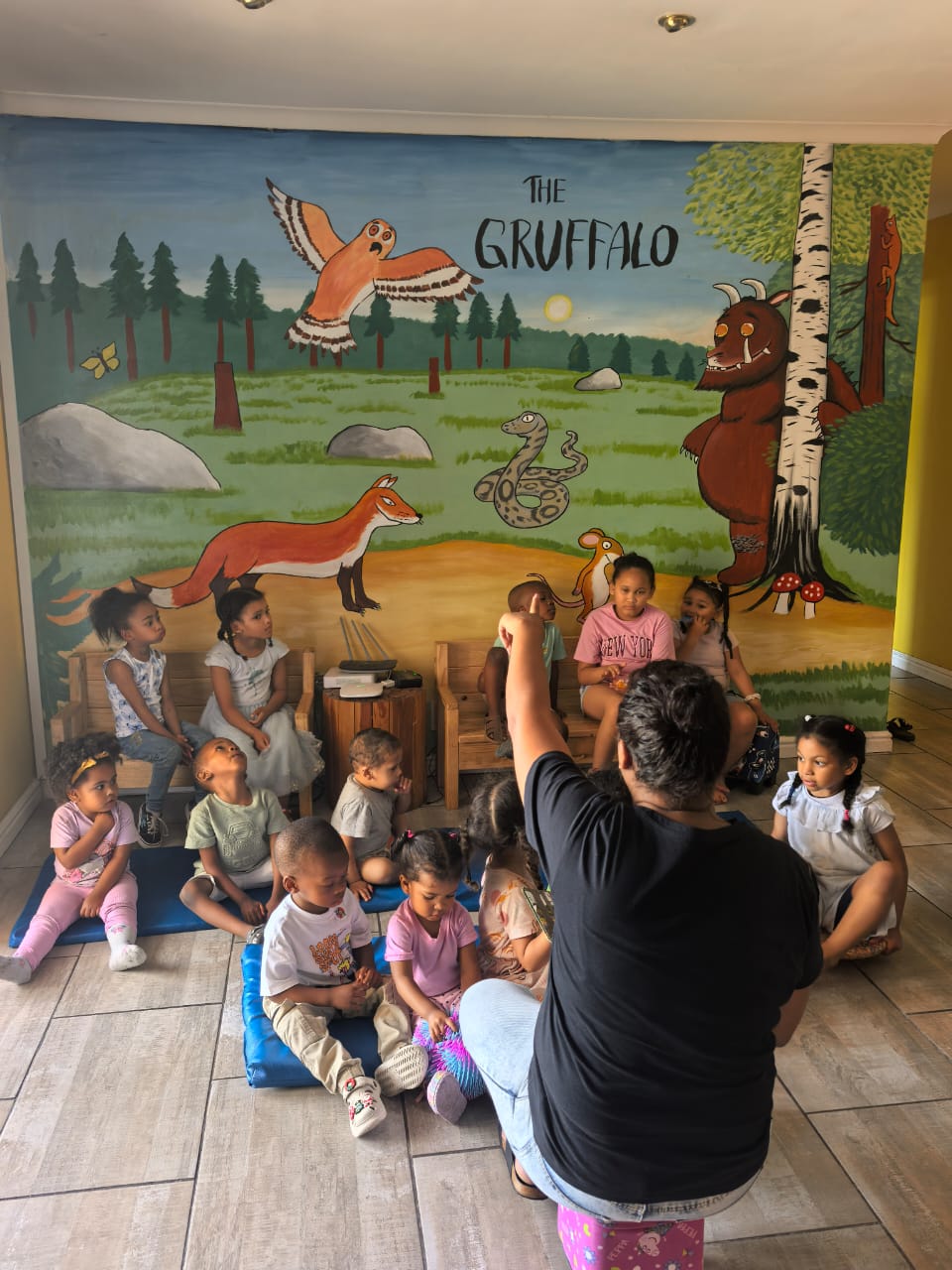
What I See in the Classroom
The differences are striking. Children with limited screen exposure typically settle into activities with curiosity and persistence. They can listen to a story from beginning to end, work through puzzles when they get tricky, and immerse themselves in imaginative play for extended periods.
In contrast, children with high screen time often exhibit:
- Difficulty sustaining attention during teacher-led activities
- Restlessness and fidgeting when required to sit still
- Quick frustration when tasks don't provide instant results
- Reduced engagement in activities that require patience
- Shorter play sequences that lack depth and complexity
These aren't judgments about parenting choices—they're observations about how our increasingly digital world is shaping young children's developing brains.
Why Screen Time Affects Attention Differently
Screens are designed to capture and hold attention through rapid scene changes, bright colors, and constant stimulation. A typical children's show might feature a new image or sound every few seconds. This conditions young brains to expect constant novelty and instant gratification.
Real-world learning, however, requires a different kind of attention: sustained focus, patience with difficulty, and the ability to self-regulate when things feel boring or challenging. These are muscles that need exercise, and excessive screen time doesn't provide that workout.
Think about the difference between watching a cartoon where the character solves a problem instantly, versus a child working through a challenging puzzle. The puzzle requires:
- Sustained attention despite frustration
- Trial and error thinking
- Delayed gratification
- Self-regulation when pieces don't fit
- Persistence through difficulty
These are exactly the skills that struggle to develop when a child's primary entertainment comes from passive screen consumption.
The Developmental Window
The preschool years are a critical period for developing executive function skills, including attention control, working memory, and impulse regulation. When young children spend hours each day passively consuming fast-paced media, they miss out on the active, hands-on experiences that build these essential skills.
Building a block tower, listening to a story, or working through a disagreement with a peer—these seemingly simple activities are actually complex exercises in attention, patience, and self-regulation.
Every hour spent in front of a screen is an hour not spent:
- Manipulating objects and understanding cause and effect
- Engaging in imaginary play that builds creative thinking
- Having conversations that develop language skills
- Moving their body in ways that support brain development
- Practicing the patience and persistence that academic success requires
What Helps
The good news is that attention skills can be rebuilt with the right support. I've seen remarkable improvements when families:
Create Screen-Free Zones and Times
Establish clear boundaries:
- No screens during meals
- No screens in bedrooms
- No screens in the hour before school
- No screens in the hour before bedtime
Prioritize Active, Open-Ended Play
Stock your home with materials that encourage creativity and sustained engagement:
- Building blocks and construction toys
- Art materials (crayons, paper, playdough)
- Dress-up clothes for imaginative play
- Outdoor equipment (balls, bikes, chalk)
- Simple toys that require imagination rather than batteries
Read Together Daily
Start with shorter books if your child struggles with attention, and gradually build stamina. Make it cozy and enjoyable, not a battle. The goal is to help them experience the pleasure of sustained focus.
Model Focused Attention
Children learn what they see. Put away your own phone during family time. Show them what it looks like to be fully present with a task, a conversation, or a moment.
Embrace Boredom
When children complain of being bored, resist the urge to hand them a device. Boredom is the birthplace of creativity and imagination. Give them space to figure out what to do with themselves.
In the Classroom: Supporting Children's Attention
At Vygotsky School of Play, we create an environment that actively builds attention skills:
- Predictable routines that help children know what to expect
- Hands-on activities that engage multiple senses
- Gradual increases in the length of focused activities
- Movement breaks to help children reset their attention
- Clear transitions between activities
- Minimal visual clutter to reduce distractions
- Engaging materials that inspire curiosity
We also work closely with families to understand each child's screen habits at home, so we can provide targeted support for building attention skills at school.
Moving Forward
I'm not suggesting screens are inherently evil or that children should never watch a show. But I am urging parents to be mindful of the cumulative impact. Those hours add up quickly, and they're hours taken away from the kinds of experiences that genuinely build young minds.
Our children deserve the chance to develop strong attention skills. The ability to focus deeply, persist through challenges, and find satisfaction in sustained effort will serve them far better than any app or video ever could.
As educators and parents, we have the power to protect this critical developmental window and give children the gift of real, focused attention in an increasingly distracted world.
Practical Steps to Start Today
If you're concerned about your child's screen time, here are some manageable first steps:
- Track current usage - Keep a log for three days to see how much screen time your child actually gets
- Choose one screen-free time - Start with meals or the hour before bed
- Create alternatives - Have engaging non-screen activities readily available
- Be consistent - Children thrive on predictable boundaries
- Explain why - Even young children can understand "screens make it hard for our brains to learn"
- Celebrate progress - Notice and praise when your child engages in sustained play
Change doesn't happen overnight, but every small step toward less screen time and more hands-on engagement is a step toward stronger attention, better learning, and healthier development.
About the Author

Nadine Nelson is the passionate founder of Vygotsky School of Play and Vygotsky School of Diverse Minds, where learning through play is at the heart of everything. With over 15 years of experience in Early Childhood Development (ECD), Nadine believes that children learn best through hands-on, real-life experiences that nurture the whole child — socially, emotionally, cognitively, and physically.
Drawing inspiration from theorists like Vygotsky, Erikson, and Bandura, she creates learning environments where play, creativity, and connection come together to help each child reach their full potential.
Through her blog, Nadine shares practical tips, sensory play ideas, classroom inspiration, and parent guidance to help educators and families support children's growth in meaningful, playful ways.
When she's not in the classroom, you'll find her spending time with her husband and three daughters, dreaming up new ways to make learning fun for every child.